Start with a feeling, not a map
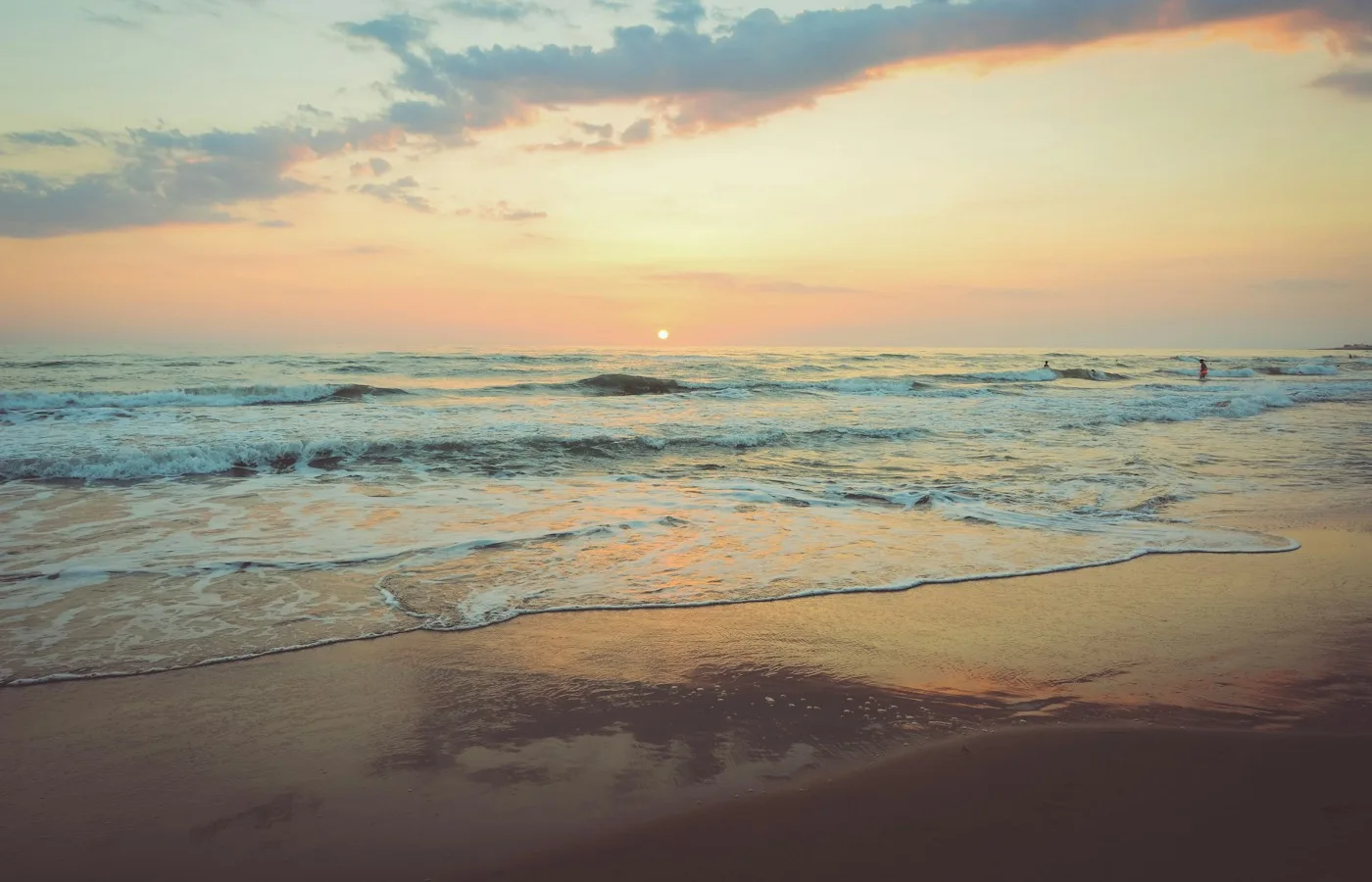
Before drawing a continent, choose the feeling you want a player to carry. A lonely coast asks for different spaces than a bustling refuge. Write a short sentence that describes that feeling, then use it to decide which ideas belong. A beautiful landmark that undermines the mood can be less useful than an ordinary doorway that strengthens it.
For a small prototype, imagine a lighthouse that has gone dark. Let the wind, the empty dock, and a single warm window establish the question. You do not need a history textbook to make someone curious. You need a place that suggests something has happened.
Make the landscape ask a question
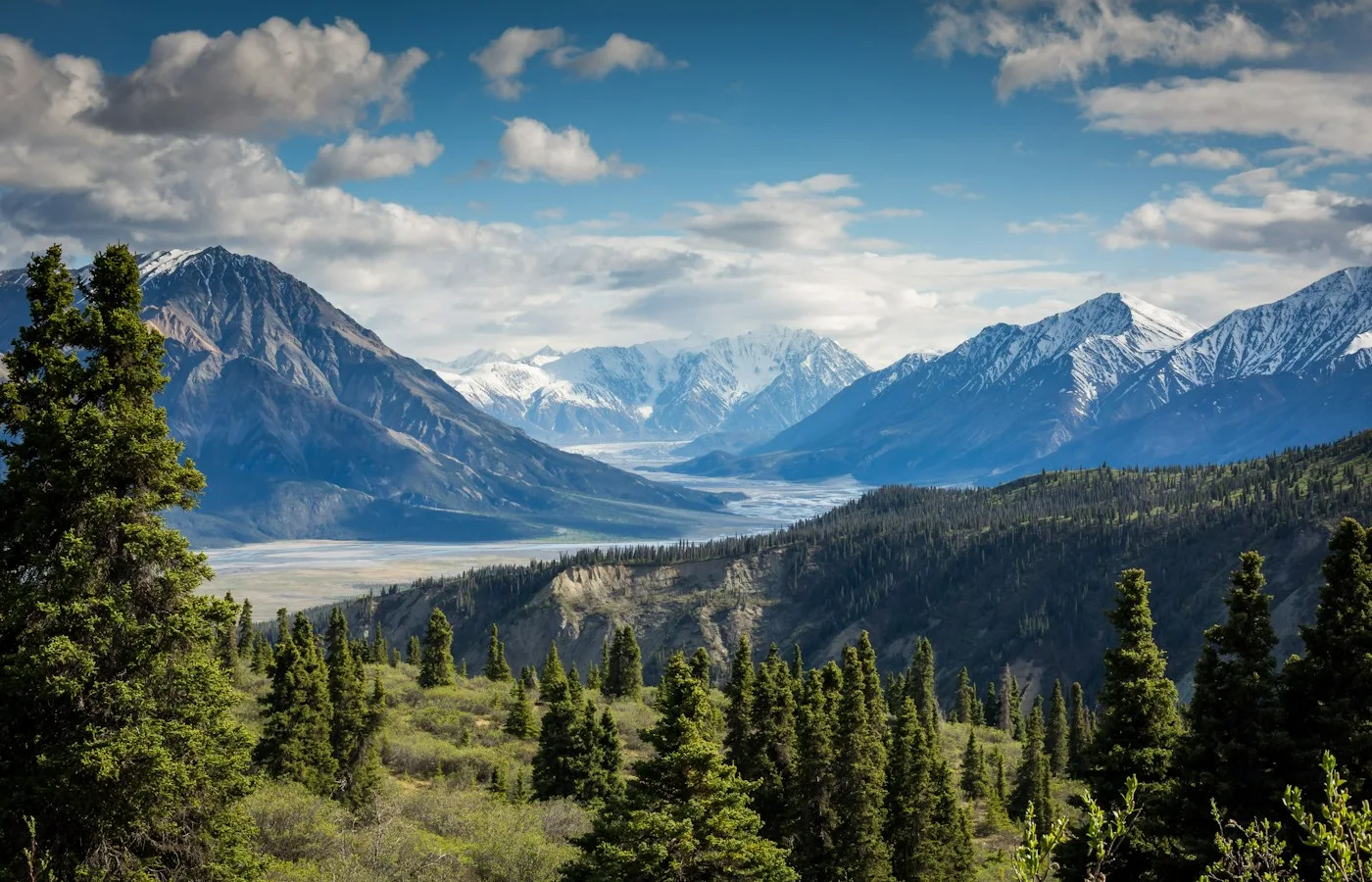
Good exploration gives the player a visible invitation. A broken bridge, a distant light, or a path that disappears behind trees can all create a reason to move. Put one clear destination in view, then let smaller discoveries reward the route toward it.
Think about what can be understood without a map marker. Use silhouette, contrast, and movement to make the invitation legible. If every rock glows and every tower is enormous, the player loses the ability to tell which detail matters.
Tell stories through things left behind
Environmental storytelling works when objects appear to have a relationship. A cup beside a cold fire says little on its own. Add a packed bag and footprints heading toward the water, and the scene begins to invite an interpretation.
Avoid explaining every clue immediately. Let the player form a theory, then offer a later detail that complicates it. Curiosity grows when the world acknowledges attention without turning every discovery into a paragraph of exposition.
Build one place worth remembering
For your first world-building exercise, make one room, one trail, or one courtyard. Give it an entrance, a focal point, a change in atmosphere, and a small discovery. Walk through it at the speed a new player will use.
Ask someone else what they noticed first and where they wanted to go. Their answer is more useful than the number of props you placed. Expand only after that small place communicates its intention.
Keep exploring. Keep creating.